カテゴリー: Project

デザイン手法を活用して実施したプロジェクトを紹介します。

  • Avatar Mediated Communication

    Avatar Mediated Communication

    アバターコミュニケーションの研究 2022-Current
    ーーーーーーーーーーーーーーーーーーーーー
    (日本語は下にあります)

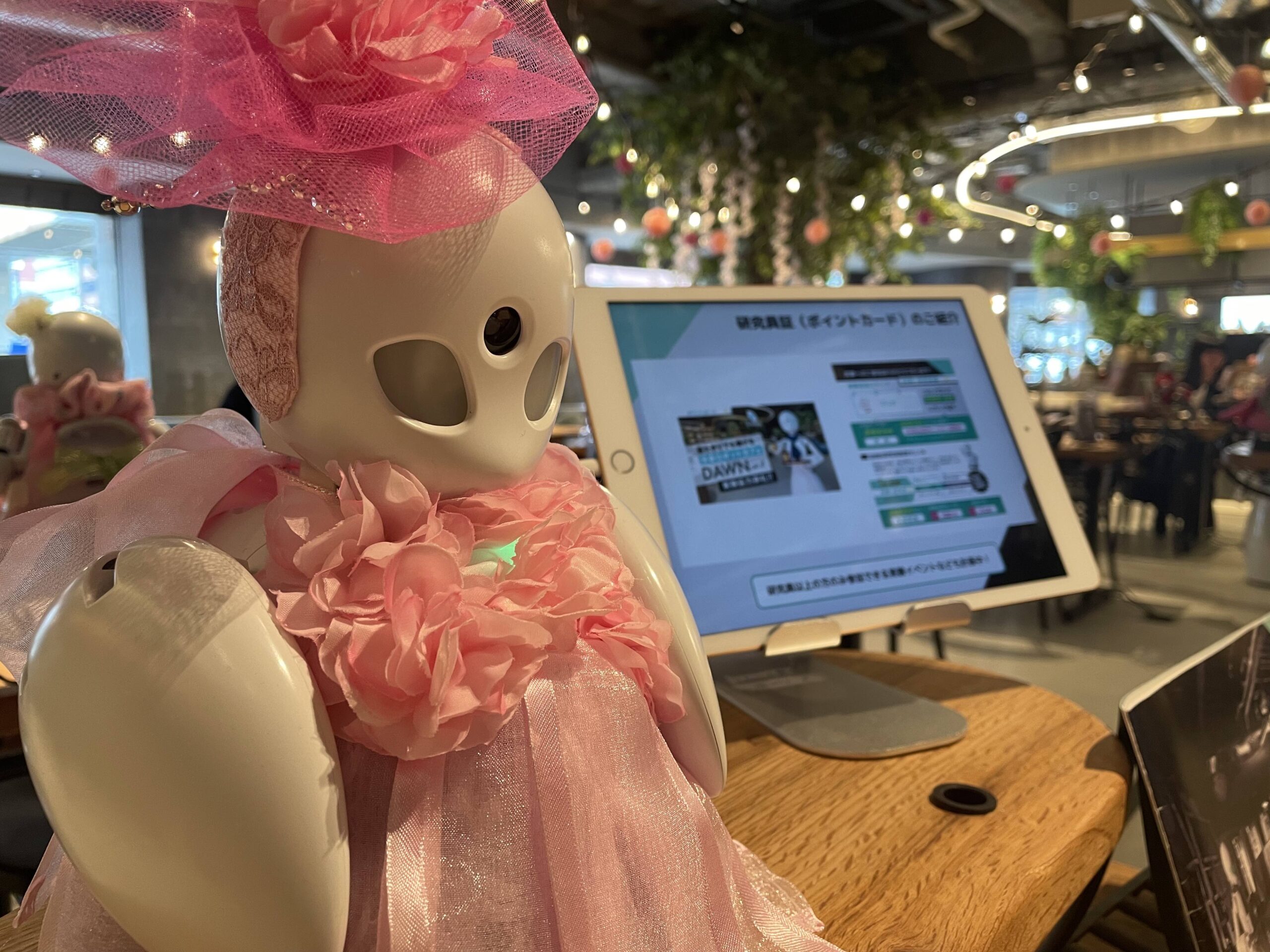
    Robots and Avatar have been rapidly integrated into human and society such as healthcare, social inclusion and entertainment domains. However, do we know how robots and avatar influence human relations as well as society in general? Do we prepare enough to handle them in our society? How do we design our coming sustainable society where Robot and Avatar are integrated?

    現在、急ピッチでアバターやロボットが私たちの生活に入り込んでいます。例えば、ヘルスケアやソーシャルインクルージョン、エンターテイメントの領域で、アバターを使って移動したり他者と対話することもできるようになっています。一方で、社会のデザインは、アバターやロボットが私たちの社会で共生するようになることが想定されていません。アバターやロボットが私たちとともに生きることで私たちのコミュニケーションや人間関係はどのような影響を受けるのでしょうか。私たちの社会はどのように形作られていくのでしょうか。本研究では、「アバター共生社会におけるアバターを介したコミュニケーションの研究」として、来るべきアバター共生社会をデザインを提案していきます。

    This research will;

    – introduce the basic computer mediated communication theory and other theories related to influence of technologies on human and society.
    – conduct an experiment: Through participatory experiments on Robots and Avatars, the course investigate short term / long term impact of robots and avatar interaction in our society.
    – reflect on impacts of Robots and Avatars in society, taking security, privacy topics into consideration.

    Research Domain

    CMC (Computer Mediated Communication), CSCW (Computer Supported Cooperative Work), PD (Participatory Design).

    Key Theories

    – Communication theory, and data transmission
    – HCI and CMC (Computer Mediated Communication)
    Participatory Design, Living Lab/リビングラボ
    – Mediation Theory / Post Phenomenology
    – TAM/TAM2

    Robots/Avatar

    CommU, Intelligent Robotics Laboratory, Osaka University.
    – Sota
    – OriHime, Ory Lab
    Lovot, GROOVE X, Inc.
    – others

    COLLABORATOR/共同研究者

    RELATED ARTICLES/記事

  • Healthcare Robots Assessment

    Healthcare Robots Assessment

    福祉機器評価指標の確立 2019-Current

    —————————–

    (日本語は下にあります)

    Welfare Technology Assessment – Learning Danish Approach and Localising in Japan
    The project aims at understanding Danish assessment approach of welfare technologies through Danish-Japanese collaboration, in order to achieve successful development and introductory process of welfare technologies in society.

    福祉機器評価指標の確立
    福祉機器が広がるデンマークにおいて、いかに福祉機器が現場に導入されているかを調査する。活用されている評価指標や医療分野で利用されている指標を参考にすることで、社会に福祉機器を導入する際の評価指標・プロセスを提案する。提案された評価指標や評価プロセスは、社会文化的背景の異なる場(日本など)での適応可能な指標として提案する。

    COLLABORATOR/共同研究者


    RELATED ARTICLES/記事

    1. 福祉機器評価プロセスと当事者を巻き込んだコミュニケーション の実践分析 (Analysis on Assessment Process of Welfare Technologies and Effects on Stakeholder Involvements on Assessments). 日本のヒューマンインターフェース学会. November 2020.
  • Living Lab Consortium

    Living Lab Consortium

    リビングラボコンソーシアム 2020-Current

    —————————–

    Website:https://japanordic.com/livinglab/
    FB Community:https://www.facebook.com/groups/1749263638549485

    (日本語は下にあります)

    The Japan-Nordic Living Lab Consortium is established as research and innovation Center on Living Lab in Scandinavia. The Consortium provides the latest information on Scandinavian living labs, social innovation and participatory innovation in Scandinavia through collecting, analyzing, sharing and discussing with Scandinavian researchers and practitioners. The Consortium will conduct international living lab demonstration involving industry, public organisations, and academia in Scandinavia settings. We aim to bridge two regions and contribute to the development and knowledge sharing of Living Lab practice among stakeholders.

    Name:Japan Nordic Living Lab Consortium
    Location:Roskilde University
    Establish:2020.

    Supporters (TBA)
    Roskilde University

    Secretariat
    JAPANORDIC

    日本企業・大学のリビングラボ研究拠点として、北欧にジャパン・ノルディック・リビングラボコンソーシアムを設立いたします。

    同コンソーシアムは、北欧でイノベーションを生み出す場として認知されている先進的なリビングラボに関する最新情報や推進ノウハウの収集・分析・共有・議論、北欧の場を活用した産官学民を巻き込んだ国際実証実験を通じて、日本におけるリビングラボの実践展開に貢献することを目指します。北欧の大学や研究者、地方自治体と連携し、高品質かつ情報量を確保し、関係者間の知識の共有や創造を可能にします。

    名称:Japan Nordic Living Lab Consortium
    主な拠点:Roskilde University
    設立時期:2020

    後援 (TBA)
    Roskilde University

    事務局
    北欧研究所 Japanordic

    RELATED ARTICLES/記事

    1. M.Yasuoka, Living Lab, Theory. Yasuoka.dk
  • Crafts IT

    Crafts IT

    Crafts IT 2020-Current

    —————————–

    (日本語は下にあります)

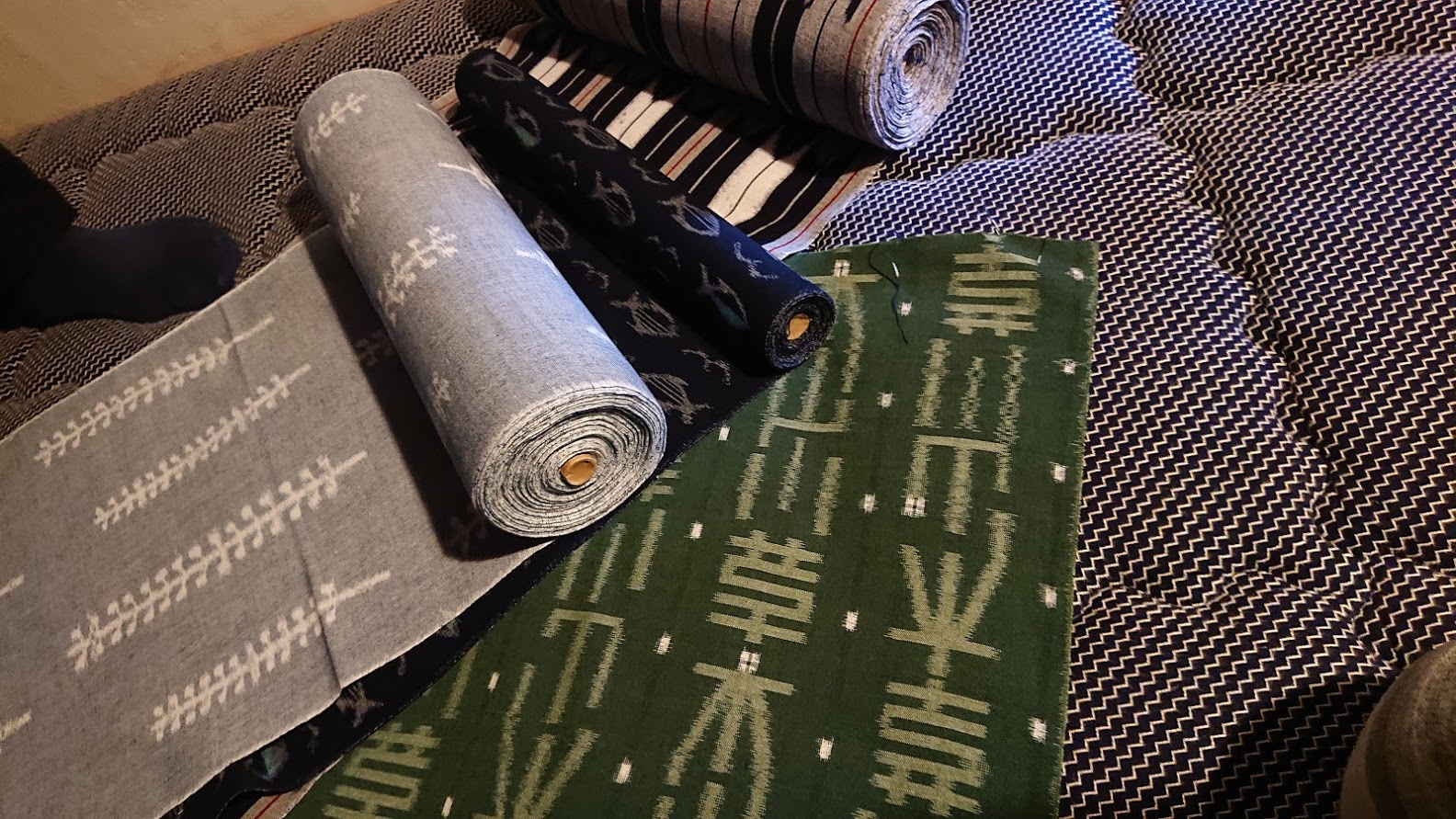
    What is the relation between Crafts and IT? I got interests in traditional crafts skills since I met golden leather paper. Clearly, my interests towards crafts skills have been beyond mere interests.

    Recently, I got a dream to establish an ecosystem which bridge Japanese and Scandinavians on traditional crafts skills and products. Wouldn’t it wonderful if Japanese crafts skills which are in danger of being lost can survive by the hands of global craft enthusiasts, no matter where and who, empowered by information systems.

    クラフトとITの関係とはなんでしょうか?最近、日本の伝統工芸に触れる機会が何度かあり、数百年かけて作られてきた日常的な伝統工芸が今の日本から次々と消えていっている現状を知りました。ニュースなどで、担い手がいない後継者が育たないなどと報道されているため全く知らなかったというわけではありませんが、特に身近に感じることはなく、それについて考えることもありませんでした。しかし、福岡を訪問した時に見聞きした博多織の現状や金唐革紙の現状は衝撃でした。

    金唐革紙は、日本の伝統工芸として素晴らしい品質が海外で絶賛されたにもかかわらず、どのように作られたのか、どのように海外に渡ったのかきちんとした記録すらなく、その製作技術も不明な点が多いのだそうです。コレクションが日本にはなくて、海外の方が充実しているというのは、悲しいこと。何よりもその技術が忘れ去られ、取り戻すことがほぼ不可能、しかも再生するだけの余裕もないのでしょうか。

    ITや技術ができることはあるはず。伝統工芸に積み重ねられてきた知見や技術を残すためのなんらかの支援がITでできるとしたら 、それはどのようなことなのでしょうか。本研究では、工芸とその暗黙知を支援するIT技術を模索します。

    RELATED ARTICLES/記事

    1. M.Yasuoka & S. Hirata. Designing Knowledge Management System for Supporting Craftsmen’s Collaboration beyond Temporal Boundaries. HICSS (Hawaii International Conference on System Sciences 2020). 2020.


  • Smart City

    Smart City

    スマートシティ 2017-Current

    (さらに…)

  • e-Government

    e-Government

    電子政府プロジェクト 2010-Current

    (さらに…)

  • FinTech Platform

    FinTech Platform

    金融基盤プロジェクト 2017-2020
    (さらに…)